
You have three estimates on the kitchen table, and the cheapest one feels suspicious. Vinyl comes in around three to seven dollars per square foot installed, fiber cement runs five to fourteen, and wood or engineered wood lands seven to fifteen with cedar pushing higher, so the price gap is real but the lifespan gap is wider. Siding materials comparison breaks down into three honest questions: what does each one survive, how long before you repaint or replace it, and which climate quietly punishes the material you almost chose.
What siding materials cost and last, and why price alone is the wrong first question
Installed cost per square foot tells you what you pay today, not what you pay over the life of the house. Vinyl siding typically runs three to seven dollars per square foot installed and lasts about twenty to thirty years. Fiber cement sits at five to fourteen dollars per square foot installed with a thirty to fifty year lifespan. Cedar climbs to seven to fifteen dollars and beyond, reaching thirty to forty years when refinished on schedule.
The number that actually decides the purchase is cost per year of service, not the sticker on the estimate. A nine dollar fiber cement job that lasts forty years costs roughly twenty-two cents per square foot per year. A five dollar vinyl job that needs replacing at year twenty-five costs twenty cents, close enough that the cheaper quote is not automatically the better deal.
Material thickness, the fastener schedule behind it, and your climate zone move both numbers. Before you sign the contract, ask each contractor to price the same wall area with the same trim details and the same house wrap so you can compare like for like. The estimate that itemizes labor, materials, and waste disposal separately is the one you can actually audit.
If your project touches the foundation or the roof-to-siding transition, a separate look at your exterior waterproofing system prevents moisture from getting behind whichever cladding you pick, since no siding material survives a wet wall assembly.
Vinyl siding thickness grades and what they actually survive
Vinyl siding is graded under ASTM D3679 for standard panels, D4226 for impact resistance, and D5206 for wind load, with the building code floor sitting at 110 mph and premium profiles rated to 150 mph or higher. Cold brittleness shows up below about 40°F, which is why a Wisconsin installer will not unroll a bundle left on a cold truck overnight.
Panel thickness is measured in thousandths of an inch and labeled .044, .046, or thicker for premium lines. Builder-grade .042 panels dent from a basketball. .046 holds up to a lawnmower stone at ten feet. The brochure number you actually want is the impact rating in foot-pounds under D4226, because that is what predicts hail survival in the Midwest.
Wind is the easy claim to read. Manufacturer catalogs list design pressure in pounds per square foot, which converts to a rated wind speed the engineer cross-checks against your local exposure category. Coastal exposures, open fields, and tall buildings all push the required rating higher, and your building code limit defines the floor your siding must meet before the inspector signs off.
The trade-off on vinyl is color fade. Dark colors absorb heat and accelerate UV breakdown, which is why most lifetime fade coverage excludes deep tones after year ten. If you want a charcoal or dark bronze, plan to budget replacement panels around year fifteen in a sun-exposed wall.
Fiber cement: why it outlasts everything else on paper, and where that promise breaks
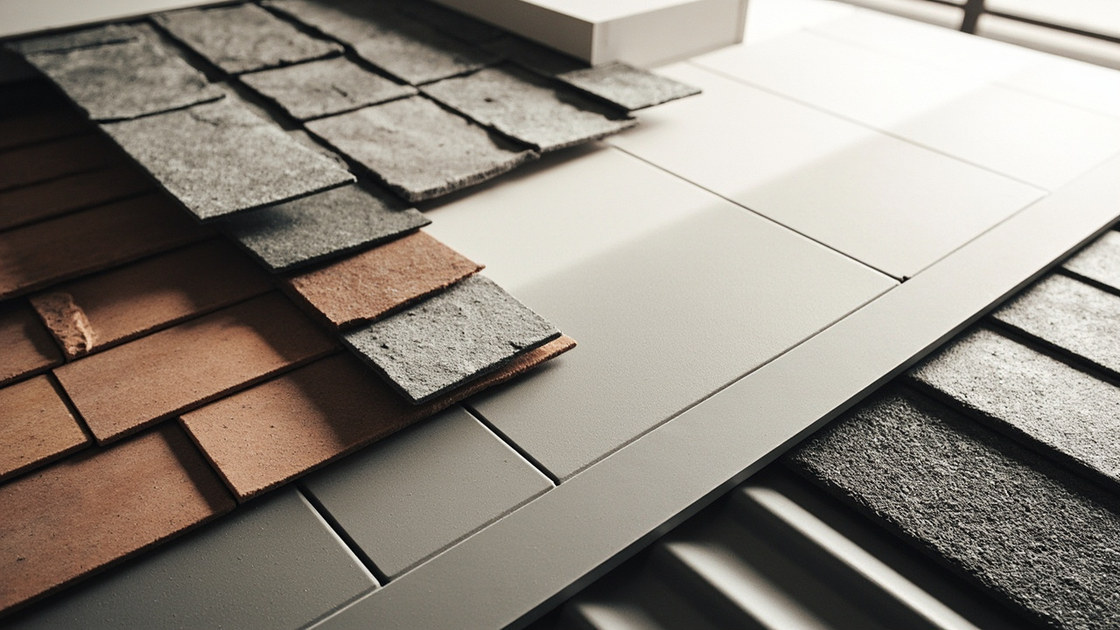
Fiber cement is Portland cement bonded with wood fiber, pressed into planks or shingles, and factory primed for paint. James Hardie pioneered the modern version and the brand has become shorthand for the category, though Allura, Nichiha, and American Fiber Cement make comparable panels. The headline numbers are thirty to fifty year substrate life and Class A fire rating, which is why it dominates wildfire WUI zones.
The promise breaks at two details. First, the cut ends and field-cut penetrations need primer and sealant at install, and a sloppy caulk line at year eight lets water into the plank ends and causes the freeze-thaw swelling you see on neglected houses. Second, the dust created when cutting contains silica, classified as a respiratory hazard by OSHA. Wet-cut saws, dust suppression, and a fitted respirator are not optional on a 1,500 square foot re-cladding job.
Repaint cycle is the variable most homeowners underestimate. Factory finishes carry a fifteen year coating warranty, but field-applied paint on fiber cement typically wants refreshing at year twelve to fifteen depending on sun exposure and color. Budget roughly two to four dollars per square foot for the repaint, then divide by years of service to find your real annual cost.
For a symmetric comparison of the three materials against the attributes that drive most purchase calls, the table below pulls the verified ranges into one view.
| Attribute | Vinyl siding | Fiber cement | Wood and engineered wood |
|---|---|---|---|
| Installed cost per sq ft | $3 to $7 | $5 to $14 | $7 to $15+ (cedar higher) |
| Expected lifespan | 20 to 30 years | 30 to 50 years | 20 to 40 years (cedar longer) |
| Wind rating | 110 mph code floor, 150+ premium | 150+ mph typical | 150+ mph when properly nailed |
| Repaint or refinish cycle | None, but color fade by year 10 to 15 | 12 to 15 years | 3 to 5 years (cedar stain) |
| Key ASTM standard | D3679, D4226, D5206 | C1186 | Engineered: APA PR-NVA |
Wood and engineered wood: where they win, where they cost you
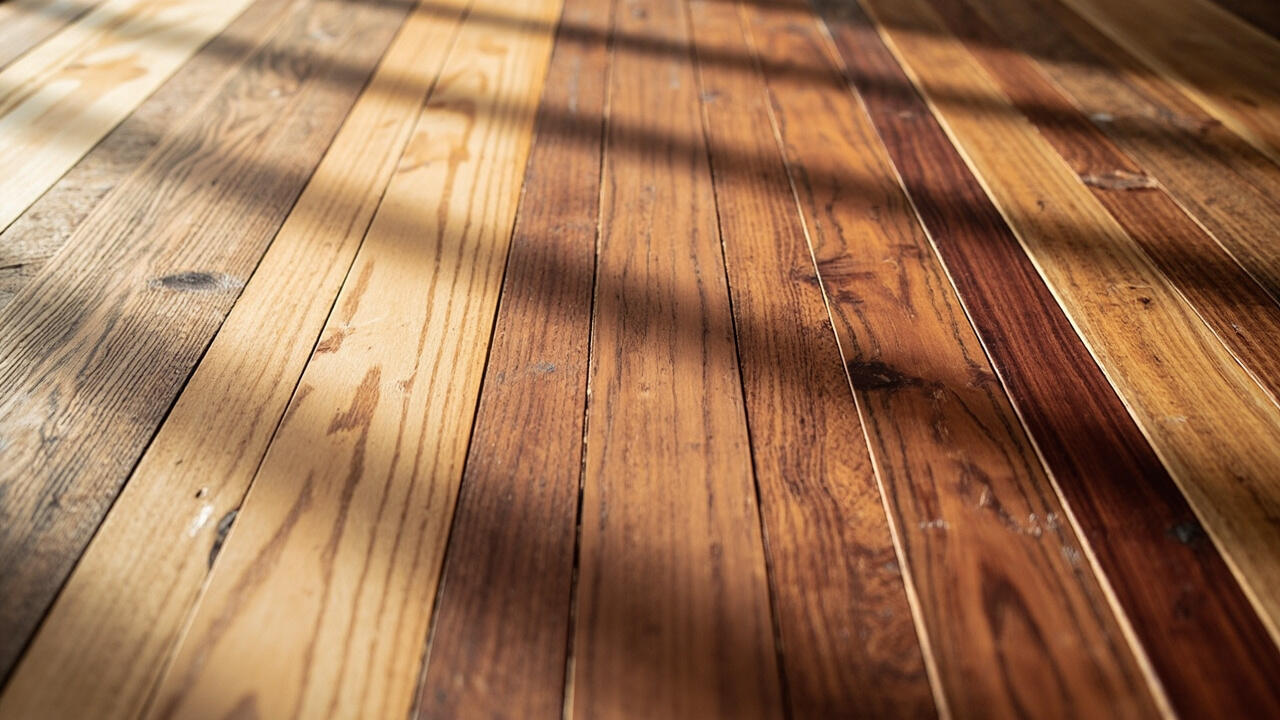
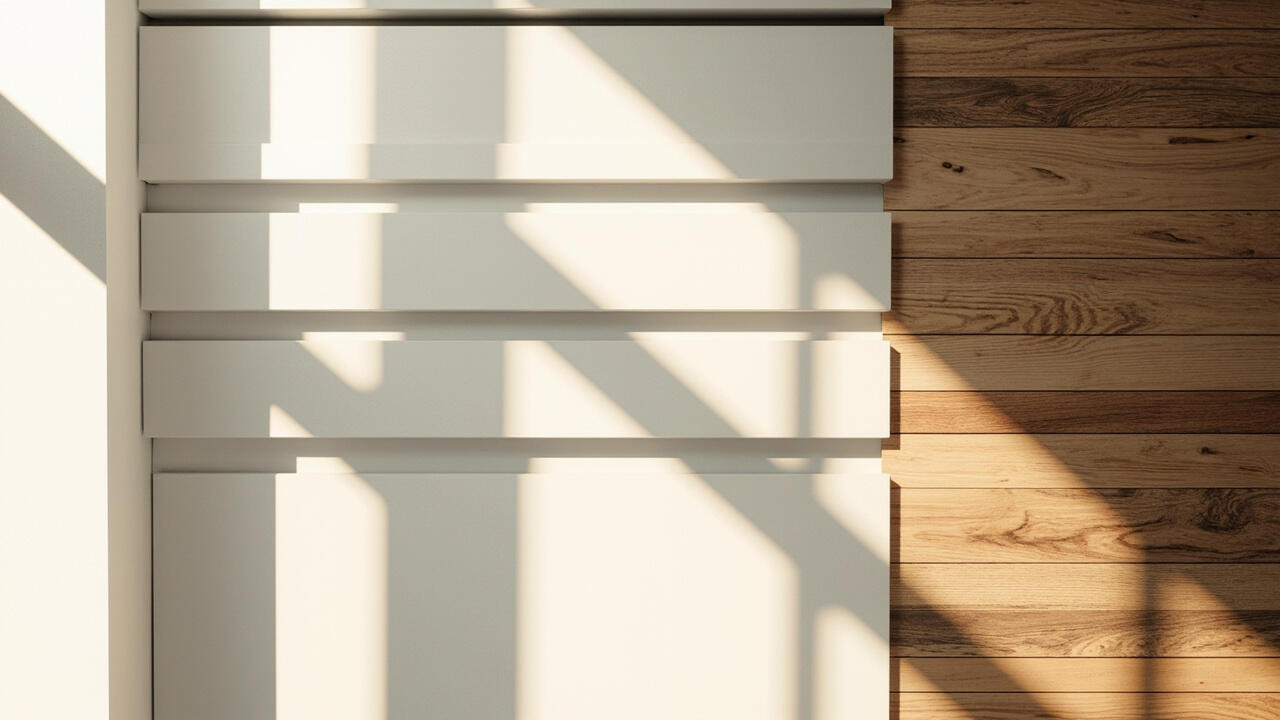
Real wood wins on character. Cedar, redwood, and pine carry grain and depth that manufactured panels imitate but never match, which is why historic districts often require wood cladding for approval. Cedar resists rot naturally, redwood does the same with rich color, and both accept stain rather than paint, letting you refresh the surface every three to five years without sanding back to bare wood.
The maintenance bill is the trade-off. Stain cycle at year three, year eight, year thirteen, and so on adds labor and material cost that the original estimate quietly omits. A fifteen dollar cedar install can climb past twenty-five dollars per square foot over thirty years once you price the refinish schedule, which flips the cost-per-year math against the material that looked premium at signing.
Engineered wood products like LP SmartSide use oriented strand board treated with zinc borate and bonded with resin, then factory primed. They handle hail better than cedar because the strands flex rather than split, and the warranty runs longer on the substrate than on the coating. The catch is the prorated warranty structure, which pays full replacement in year one and steps down to a fraction of the original cost by year ten, so read the fine print before you assume the brochure promise.
Climate-driven decision guide: pick the right material for your zone
Match the material to the climate, not to the brochure, and the rest of the decision follows. The five zones that punish the wrong choice hardest are coastal salt air, hail-prone Midwest, wildfire WUI, freeze-thaw, and hot sun with dark color. The trade-off summary: fiber cement is best for fire-prone or coastal envelopes, premium insulated vinyl is best for mild-climate four-season homes, and cedar is best for historic districts that reward the refinish investment.
Coastal salt air eats steel fasteners and corrodes standard fasteners within a decade. Choose fiber cement with stainless steel fasteners, or upgraded vinyl with the same, and budget for annual rinse-down to remove salt film. Hail-prone Midwest wants Class 4 impact ratings, which premium vinyl reaches under D4226 and engineered wood like LP SmartSide reaches by flexing without cracking, while fiber cement cracks under large hail and is expensive to patch section by section.
Wildfire WUI zones require Class A fire-rated assemblies, which rules out vinyl and standard engineered wood and pushes you to fiber cement, brick, or stucco. Freeze-thaw zones punish any material that holds water in a cut end, so fiber cement needs perfect caulk lines and vinyl needs the insulated backer panel that prevents the cold-brittleness cracks that show up around year twelve. Hot sun with dark color points away from dark vinyl toward lighter fiber cement or stained cedar, because dark vinyl fades and warps faster than any other combination.
If your climate is mild and your budget is tight, builder-grade vinyl at .044 thickness with a 110 mph wind rating is the honest pick, and you replace it at year twenty-five rather than paying for premium you do not need. If your climate punishes the cheap material, fiber cement’s thirty to fifty year substrate life pays back the higher install in the second replacement cycle you avoid.
For a 1,500 square foot re-cladding job in any climate, get three written estimates, verify the contractor carries general liability and workers’ comp, and ask for the material spec sheet before the first bundle opens on your driveway. The decision becomes much simpler once the brochure claims are sitting next to your zip code.
A fast way to choose: Choose fiber cement if your lot sits in a wildfire WUI zone, on a coastal salt-air block, or anywhere hailstones larger than a quarter routinely fall; choose premium insulated vinyl if you live in a mild four-season climate with the budget for a thicker 0.048″ panel and want zero repaint for the next two decades.