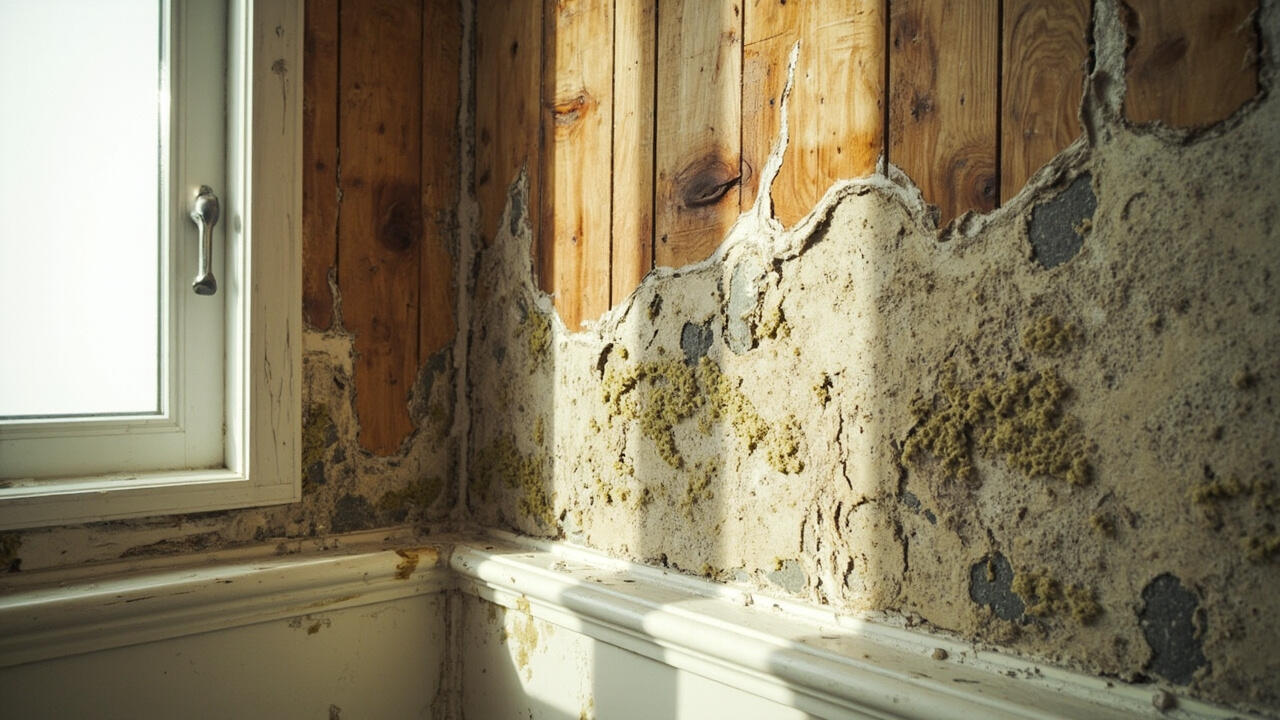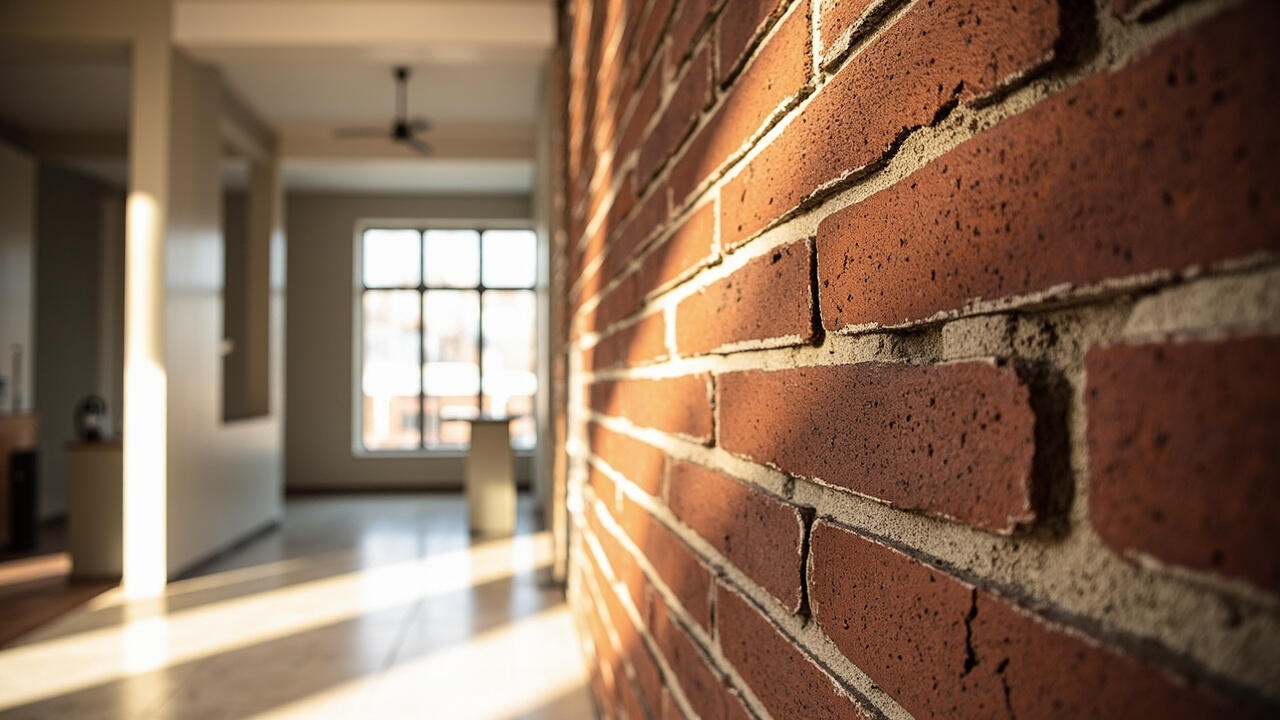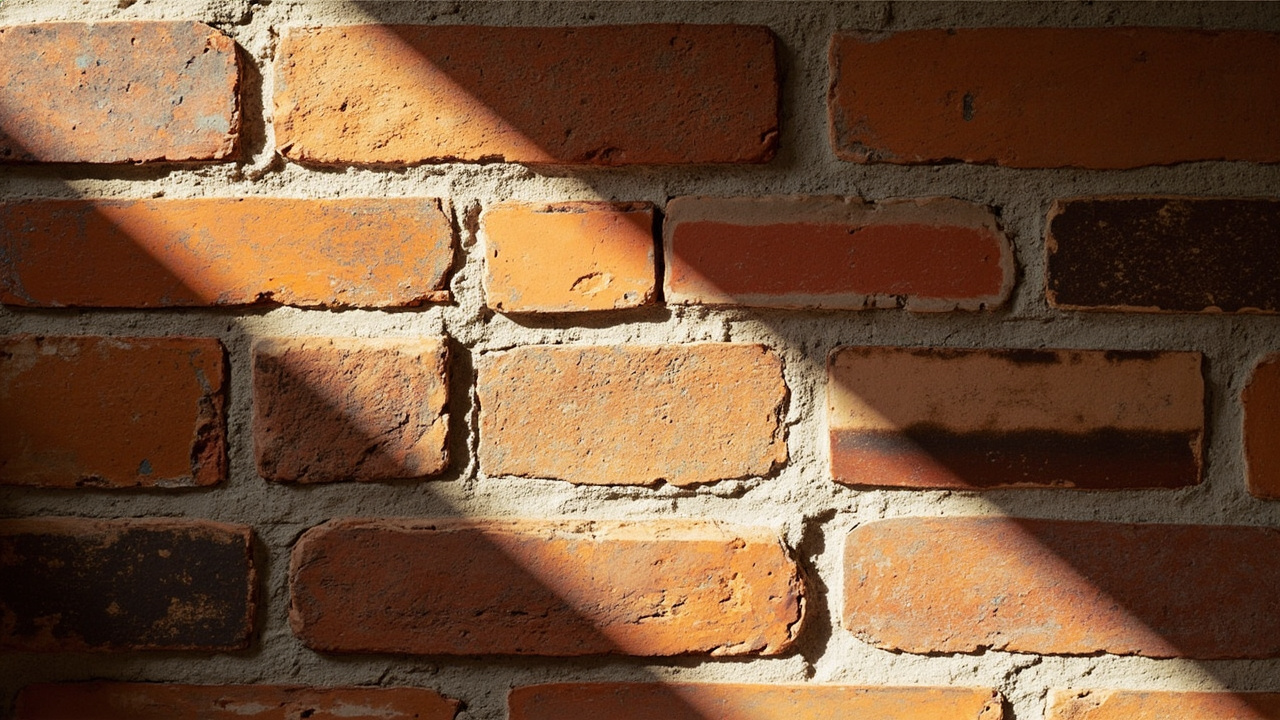

Brown rings around the shower drain that survive every scrub? The culprit is rarely your cleaner. Cement grout carries a porous microstructure that drinks coffee, shampoo dye, and hard-water minerals deep into the joint. Epoxy grout is a two-part resin system that cures into a dense, non-porous joint that resists stains because liquids cannot penetrate its surface.
What Bathroom Grout Is and Why Stain Resistance Decides It
Bathroom grout is the joint filler between tiles whose water absorption rate ranges from poor in cement formulas to excellent in epoxy when the joint sits in a wet shower zone. That single number predicts years of appearance better than brand or color.
Grout is one layer of a larger assembly, not a standalone product. It works together with tile, backer board, and membrane, so read it as part of the full tile, board, and membrane system before you judge any stain claim. A perfect grout over a failed substrate still fails.
Stain resistance matters most where water lingers. Shower floors, bench seats, and the first row above a tub see constant wetting, soap film, and body oils. Dry powder-room walls barely test grout at all, which is why one house can show both pristine and ruined joints.
How Epoxy and Cement Grout Cure and Why Porosity Differs
Sanded cement grout hardens when Portland cement hydrates with water, leaving a network of capillary pores that wick liquids inward even after sealing. Sealers coat those pores but wear off under scrubs and steam within a year or two.
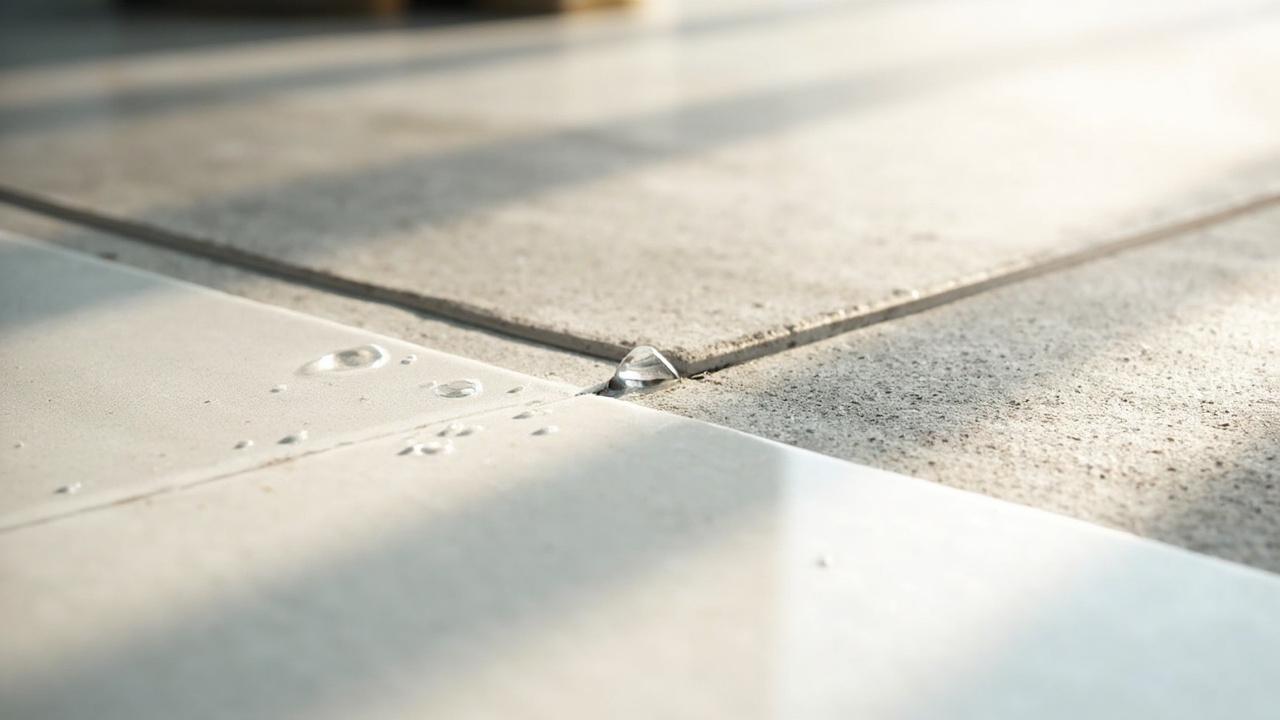
Epoxy resin mixed with a chemical hardener cures by cross-linking into one continuous plastic matrix with almost no pores. Water absorption drops below 0.5 percent, against 5 to 10 percent for cement, so pigments sit on the surface where a sponge removes them.
The trade is working behavior, not just price. Epoxy stiffens fast, sticks to everything including your skin and tools, and punishes slow installers. Cement forgives beginners, cleans with water, and tolerates uneven timing across a big floor.
Epoxy vs Cement Grout Stain Resistance Compared With Real Numbers
Stain penetration depth after 24 hours tells the honest story: coffee dyes cement joints up to 2 mm deep while epoxy shows only surface film that wipes away. Thermal shock from alternating hot and cold showers opens micro-cracks in aging cement faster, and harsh chemical cleaners bleach cement color while epoxy shrugs them off.
| Criterion | Cement Grout | Epoxy Grout |
|---|---|---|
| Water absorption | 5-10 percent | Under 0.5 percent |
| Coffee and dye stains | Penetrate, often permanent | Surface film, wipes clean |
| Material cost per bag | Low, budget friendly | 3-5 times higher |
| DIY difficulty | Forgiving, water cleanup | Fast set, demanding technique |
| Service life in showers | 5-8 years before staining | 10-15 years staying bright |
Field example seals the argument. Two identical rental showers were grouted side by side, one cement and one epoxy, then cleaned by tenants with zero instructions. After eighteen months the cement shower needed a full scrub-recolor while the epoxy shower looked nearly new. Pair either grout with correct waterproofing membrane thickness and overlap, because grout is not the waterproofing layer.
Installing Each Grout and Mistakes That Ruin Stain Protection
A clean grout float held at 45 degrees packs joints fully without dragging material out, and patient cure time of 48 to 72 hours lets cement hydrate before first wetting. Rushing either step traps weak, powdery joints that stain in weeks.
Epoxy demands small batches, strict mix ratios, and immediate cleanup with white vinegar water before the resin skins over. The classic trap is grouting the whole wall at once, then discovering hardened haze that needs a chemical stripper. Work in sections no larger than you can wash within 20 minutes.
Standing water from poor drainage slope and airflow design defeats even epoxy over time, since minerals deposit on any surface that never dries. Fix ponding first. Another quiet killer is efflorescence, the white mineral bloom that migrates from cement beds and mimics staining until the substrate dries out.
Limits, When Cement Still Wins, and Your Next Step
Epoxy yellows slightly under strong UV, costs more upfront, and repairs blend poorly because old and new resin cure to different shades. Cement wins on dry walls, textured stone that epoxy would smear, and rentals where budget beats longevity. Neither grout survives a flexing substrate, so cracked joints signal movement, not chemistry.
Black spots along joints are often mold from weak exhaust fan sizing rather than grout failure, so check ventilation before you blame the material. If black returns within days of bleaching, the room stays too damp and even epoxy will host surface mildew.
Decision guidance is simple. Choose epoxy if the joint lives in a shower floor, steam room, or kitchen splash zone where stains and microbes concentrate. Choose resealing schedule friendly cement if the wall stays dry, the budget is tight, and you accept resealing every 12 to 18 months. When joints crumble across whole walls, skip spot fixes and budget a professional regrout instead.