
Fixtures like showerheads, faucets, and toilets are the first thing you notice when a bathroom feels dated — a dripping faucet, a showerhead that sputters, or a toilet that runs constantly. These components control water flow and temperature, yet most homeowners pick them based on appearance alone and regret the trade-offs later.
The reason usually comes down to one mismatch: buying a fixture whose flow rate or mounting spec doesn’t match the bathroom’s existing plumbing. A beautiful wall-mount faucet looks great until you discover the in-wall valve box costs $400 extra and requires a licensed plumber.
What Fixtures Actually Mean in a Bathroom Renovation
In renovation terminology, fixtures refers to plumbed-in water hardware — faucets, showerheads, toilets, bathtubs, and sinks. They differ from accessories (towels, mirrors) because removing a fixture requires shutting off water and disconnecting plumbing.
This distinction matters during planning. When contractors quote fixture costs separately from finish materials, they isolate the plumbing hardware budget. A typical mid-range bathroom contains five to seven individual fixtures: one toilet, one sink faucet, one showerhead, one tub spout or handheld shower, and sometimes a bidet sprayer.
Fixture selection directly determines plumbing scope. Keeping fixtures in existing locations minimizes rough-in work. Relocating a toilet even two feet horizontally requires opening walls and regrading drain pipes — work that adds $500 to $3,500 per fixture moved.
Fixture Types at Each Price Tier
Budget ($50-$300): Single-hole and centerset faucets dominate. Showerheads are fixed, single-function at 2.5 GPM. Toilets are standard two-piece models. These work for rentals and powder rooms. The trade-off: budget faucets often use plastic cartridges that may drip within two to four years.
Mid-range ($300-$800): Widespread faucets with ceramic disc cartridges, multi-function showerheads, and one-piece elongated toilets with dual-flush valves. Ceramic discs resist mineral buildup better than rubber washers, extending service life to five to eight years.
Premium ($800-$2,500+): Thermostatic shower valves, freestanding tub faucets, wall-mount toilets with concealed cisterns. These demand precise rough-in specs — a thermostatic valve requires 3/4-inch supply lines set before drywall. Retrofitting without planning means cutting finished walls.
Flow rate is easily overlooked. WaterSense faucets use 1.2 GPM maximum. Showerheads cap at 2.0 GPM federally. Lower flow does not mean lower pressure — modern aerators maintain intensity while cutting consumption 30 to 40 percent.
Matching Fixtures to Your Bathroom Condition
Begin with physical constraints, not catalogs. Small powder rooms (40 sq ft or less) benefit from wall-hung toilets and compact single-hole faucets. Primary bathrooms with walk-in showers can accommodate widespread faucets and freestanding tub fillers.
Plumbing age is equally decisive. Homes built before 1990 often have galvanized steel lines with decades of mineral deposits. Installing a high-flow rainfall showerhead on degraded 1/2-inch lines produces disappointment — the fixture performs as rated, but the pipes cannot deliver volume. A standard 2.5 GPM head paired with a line flush often works better than upgrading the fixture alone.
Water pressure testing takes two minutes. Attach a gauge to an outdoor hose bib, open fully, and read. Below 40 PSI indicates supply problems limiting choices to low-flow models. Above 80 PSI requires a pressure-reducing valve before installation — high pressure accelerates cartridge wear.
Senior installers on long projects tend to verify supply condition before selecting fixtures — a $20 gauge prevents a $600 shower valve from being installed into inadequate pipes.
Common Fixture Mistakes
The most frequent error is mismatching faucet mounting style to sink hole pattern. A widespread faucet requires three holes spaced 6 to 16 inches apart. If your vanity was drilled for centerset (4-inch spread), installing widespread leaves two unused holes unless you add a deck plate — which alters the aesthetic intent.
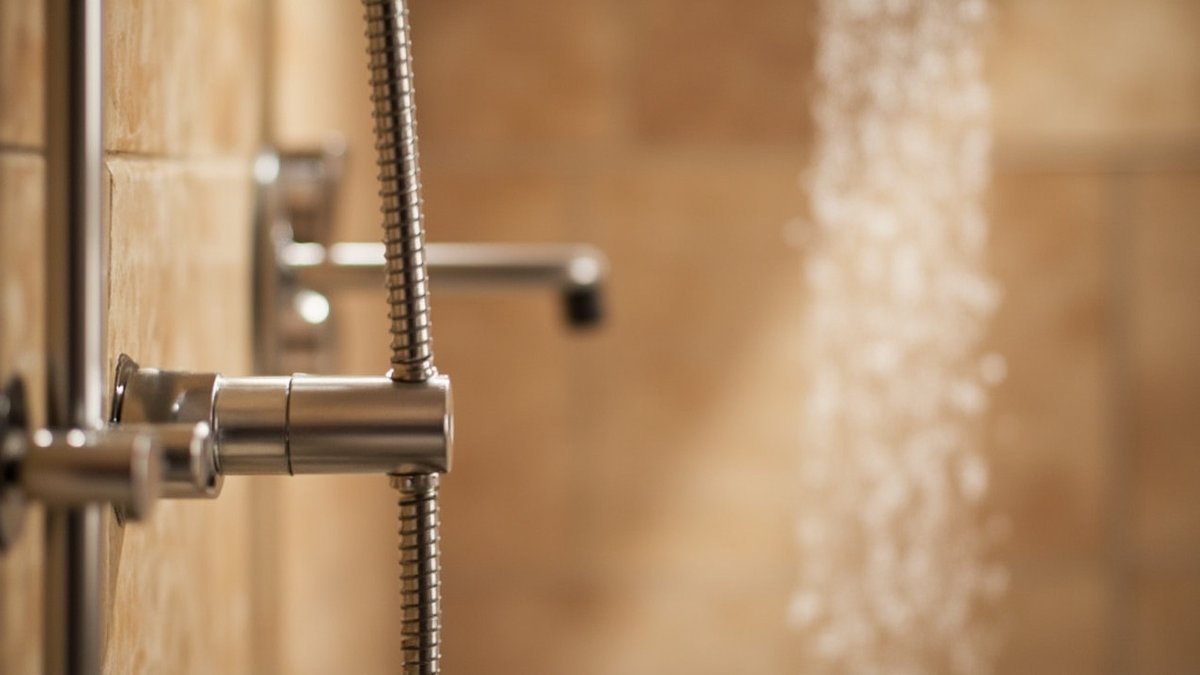
A second error involves diverter valve compatibility. Tub-shower combos require a diverter redirecting water from spout to showerhead. Some diverters integrate into the spout (push-pull type); others are separate wall handles. Mixing types creates non-functional setups.
A third mistake is finish coordination across fixtures. Buying matte black faucet, brushed nickel shower trim, and chrome towel bar from different retailers creates visual fragmentation. Limit your bathroom to two complementary finishes maximum.
Warranty voidance through improper installation is the least visible error. Many manufacturers require professional installation to honor warranties. DIY-installed faucets that leak after eight months may not be covered if installer skipped plumber’s tape or exceeded torque specs.
Pre-Purchase Checklist
Begin with three measurements: sink hole pattern (single, centerset 4-inch, or widespread 6-to-16-inch), shower rough-in height (floor to showerarm centerline, typically 48 inches), and water pressure from the gauge test. Record all three before browsing catalogs.
Second, identify your existing valve type. Compression faucets (two handles, tight turns) use rubber washers. Cartridge faucets (smooth rotation) use replaceable plastic or brass cartridges. Ceramic disc faucets (quarter-turn) use paired ceramic plates. Like-for-like replacement is straightforward; upgrading the mechanism may require new supply lines.
Third, confirm finish durability for your humidity level. Matte and brushed finishes hide water spots better than polished chrome but show soap scum in hard-water areas. Satin nickel offers the widest tolerance for both spot visibility and cleaning aggressiveness.
Finally, check warranty length and coverage. A lifetime warranty on the cartridge does not necessarily cover the finish. Three to five years is standard for mid-range brands. If the finish warranty is shorter than the mechanical warranty, plan refurbishment as a separate line item five to seven years after installation.

![Deck Railing Code: Height & Baluster Spacing Guide [IRC ]](https://www.terasly.com/wp-content/uploads/deck-railing-code-height-baluster-featured.jpg)