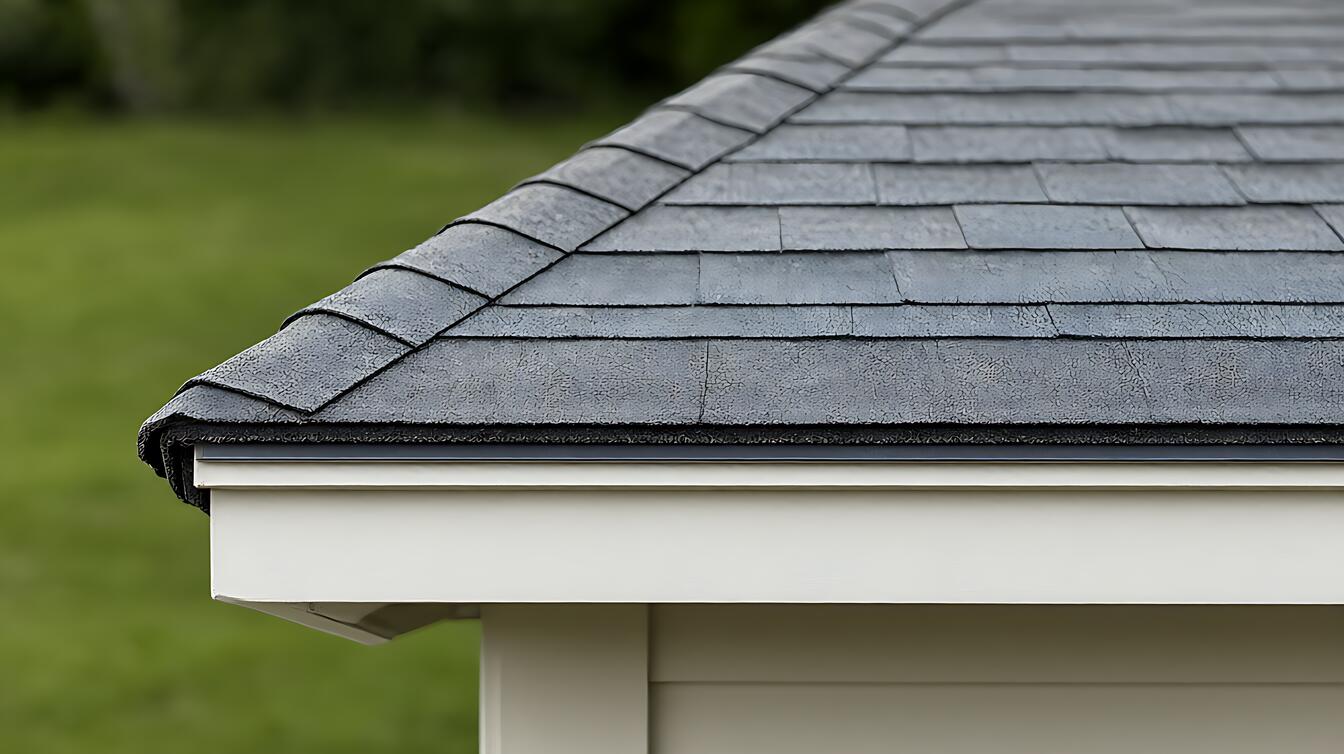

When water features fail, the confusing part is often deciding which waterproofing system will stay compatible with the design. The direct answer: choose the system that suits the substrate, exposure, and intended use. Waterproofing for ponds and water features is a continuous barrier that keeps water in its intended basin without leaking into soil, structure, or nearby rooms.
That definition matters because a decorative pond, raised basin, and swimming pool do not face the same movement, loading, and exposure. Start with the water – holding geometry, then match the membrane or coating system to the conditions it must withstand.
What Pond Waterproofing Actually Means
Waterproofing for ponds and water features forms a continuous, sealed layer beneath the water, and its material must suit the basin, water chemistry, and surrounding construction. A complete system also depends on compatible details at penetrations, edges, and transitions.
The barrier is only one part of the installation. Pipes, drains, liners, and concrete joints can create leakage paths even when the main membrane is sound. That makes the waterproofing systems overview a useful starting point for understanding how the layers work together.
Here is the decisive attribute: continuity under expected movement. The system must remain sealed at the substrate, around penetrations, and where different materials meet. Gaps and incompatible joints matter more than a material label on its own.
How Pond Membrane Systems Work
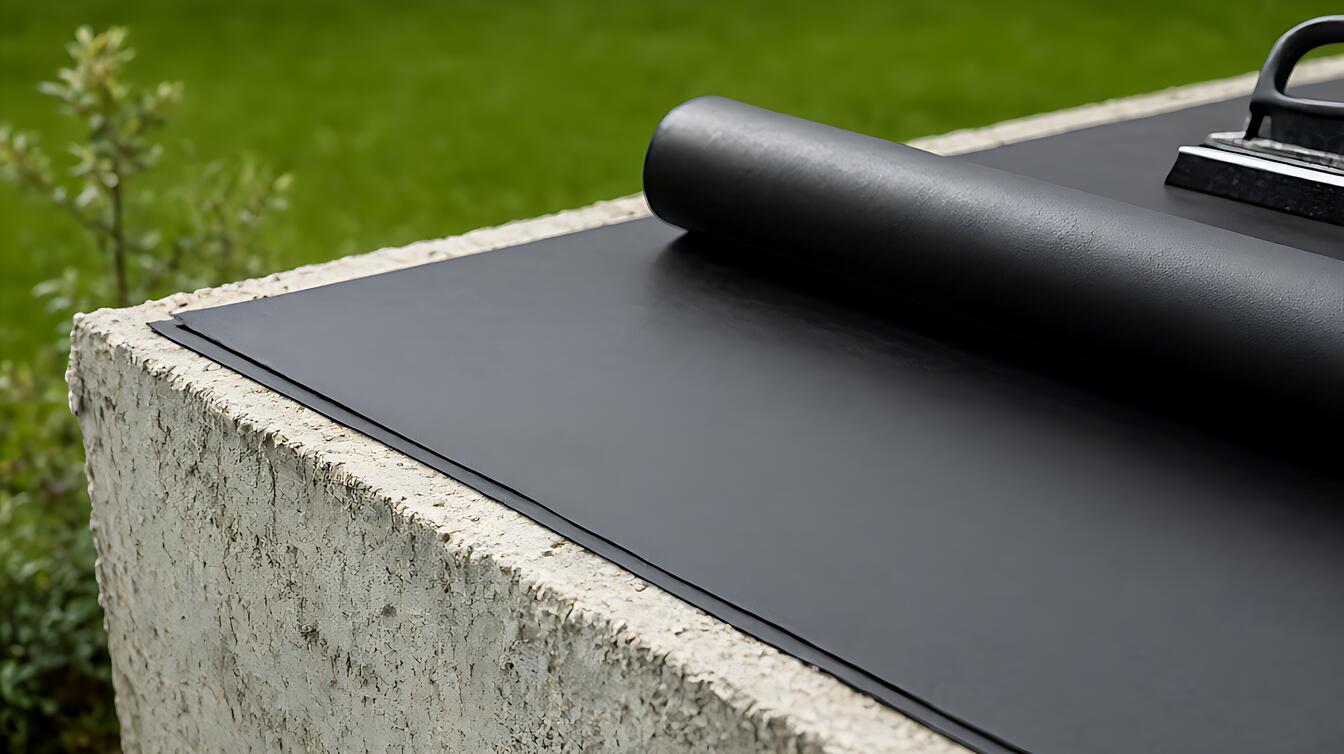
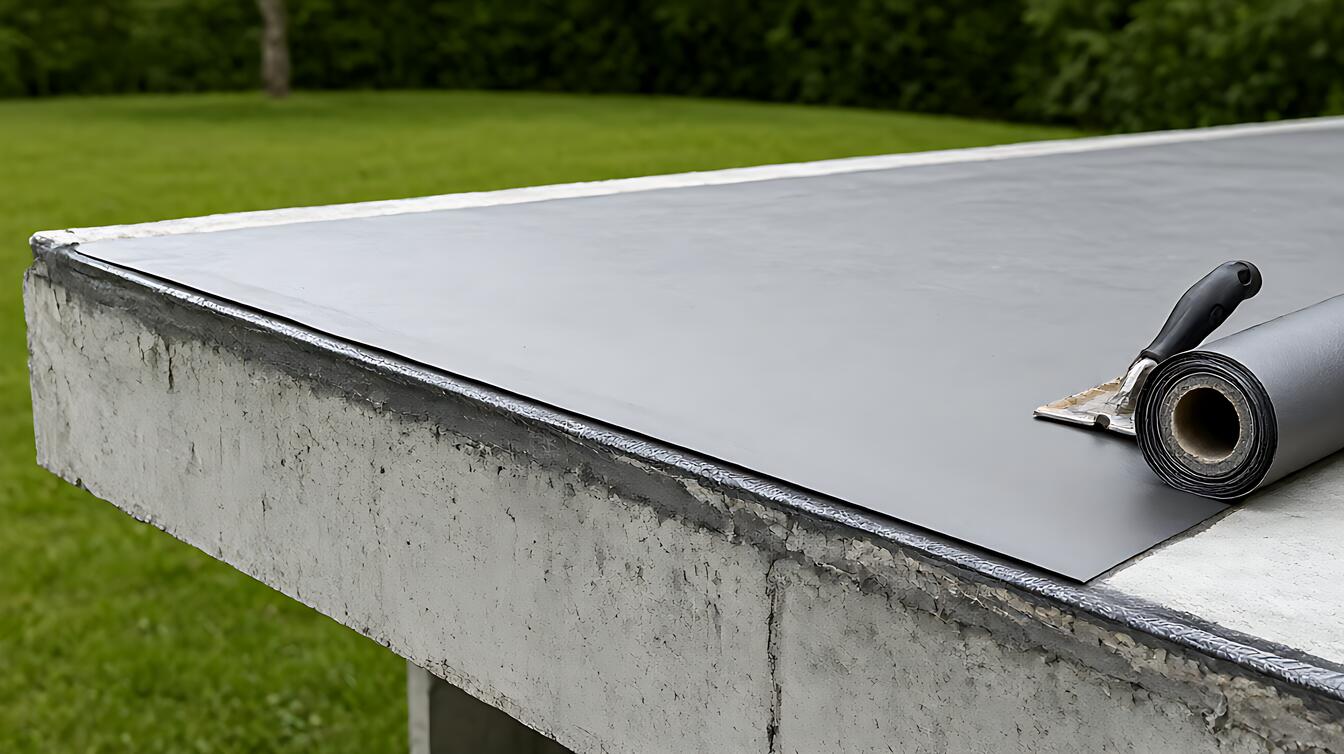
A membrane torch 3 – 4mm system forms a continuous waterproof layer when compatible, properly bonded, and protected from damage. The membrane blocks water movement, while seams, terminations, and penetrations determine whether that barrier remains continuous.
The thickness matters because a thicker membrane is not automatically a better installation. Substrate preparation, adhesion, weld quality, and detailing can outweigh a small thickness difference. The practical question is whether the assembly fits the basin and can be protected from puncture.
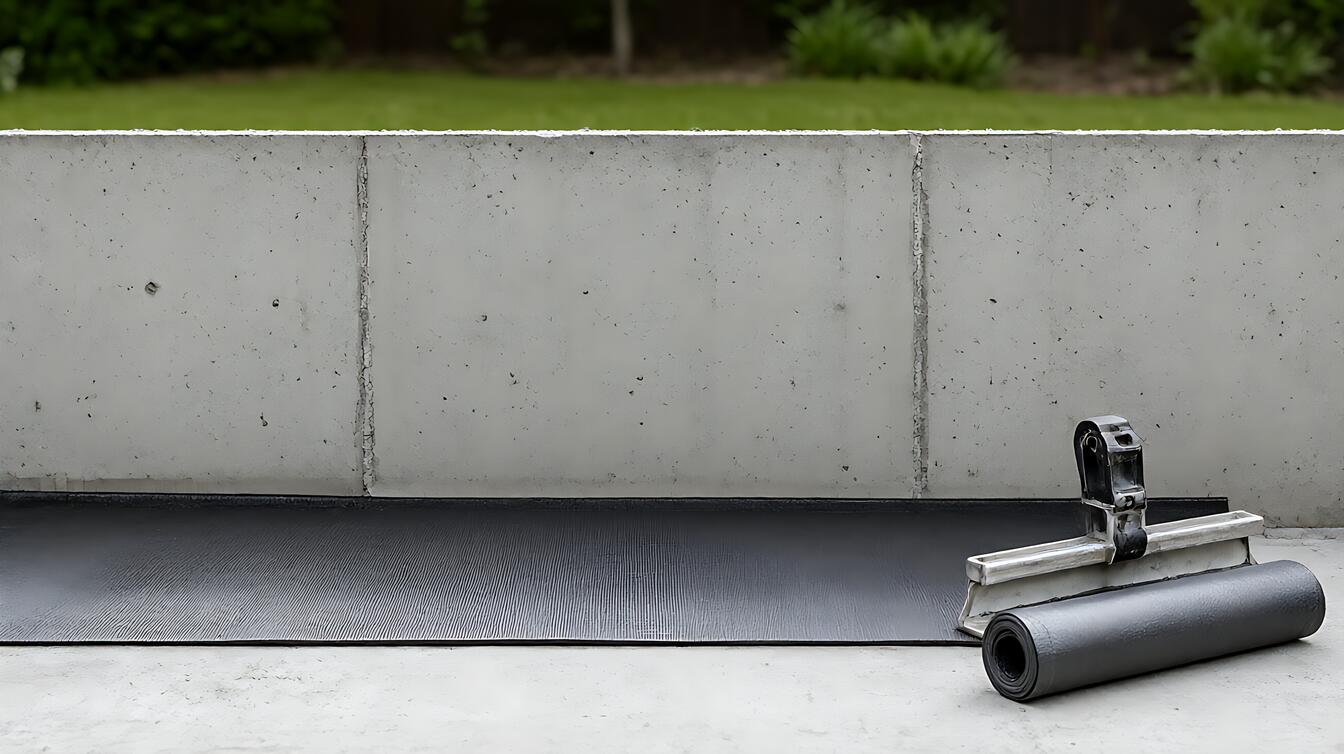
For sheet installations, an overlap 100mm is the reference seam overlap in this system. Installer instructions and local requirements still control the final detail. If the manufacturer specifies another overlap, follow that specification rather than treating the reference value as a universal rule.
A coating acrylic can serve as a liquid – applied waterproofing layer when its compatibility, preparation requirements, and curing conditions are satisfied. It is most useful where the product system specifically supports that application.
When to Choose Each Waterproofing Option
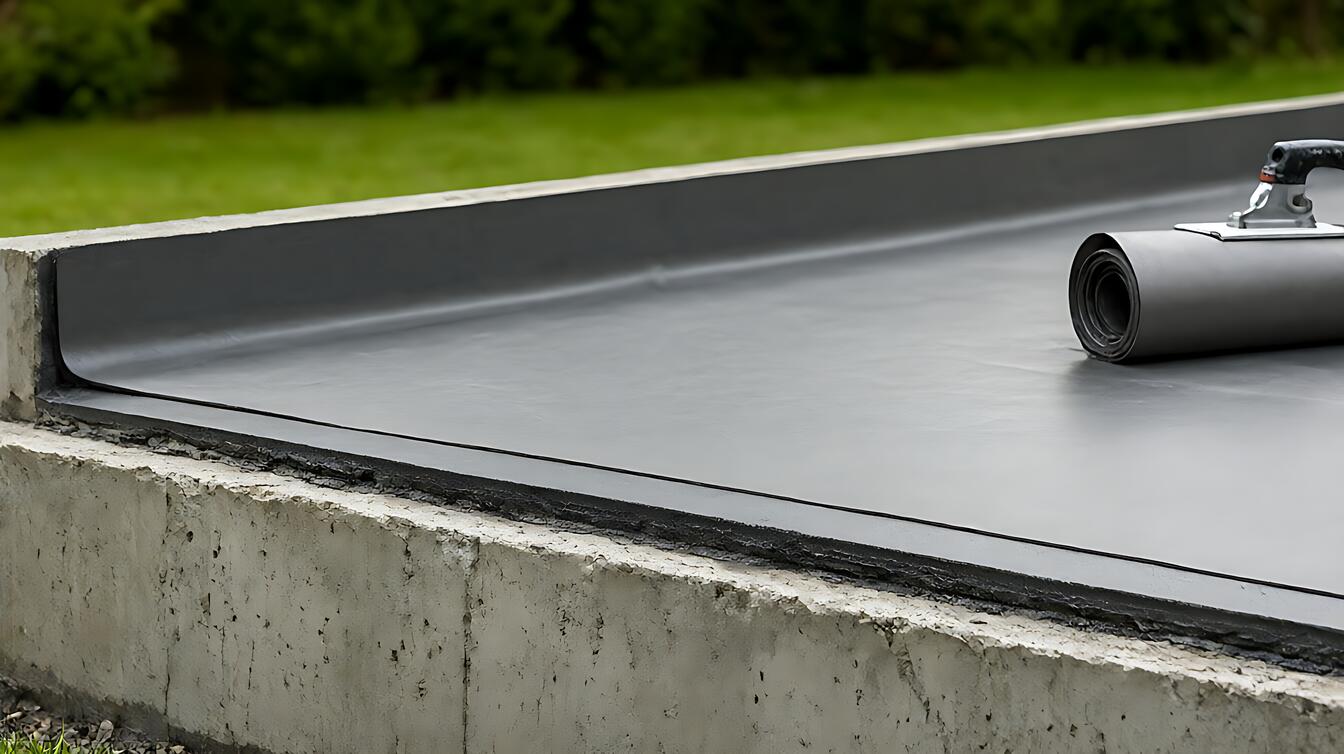
Choose a sheet membrane when the basin geometry, substrate preparation, and protection plan favor a controlled, welded barrier. Choose liquid or coating – based waterproofing when complex details, access, or substrate conditions fit a verified liquid – applied system. The geometry usually makes this decision clearer than marketing language.
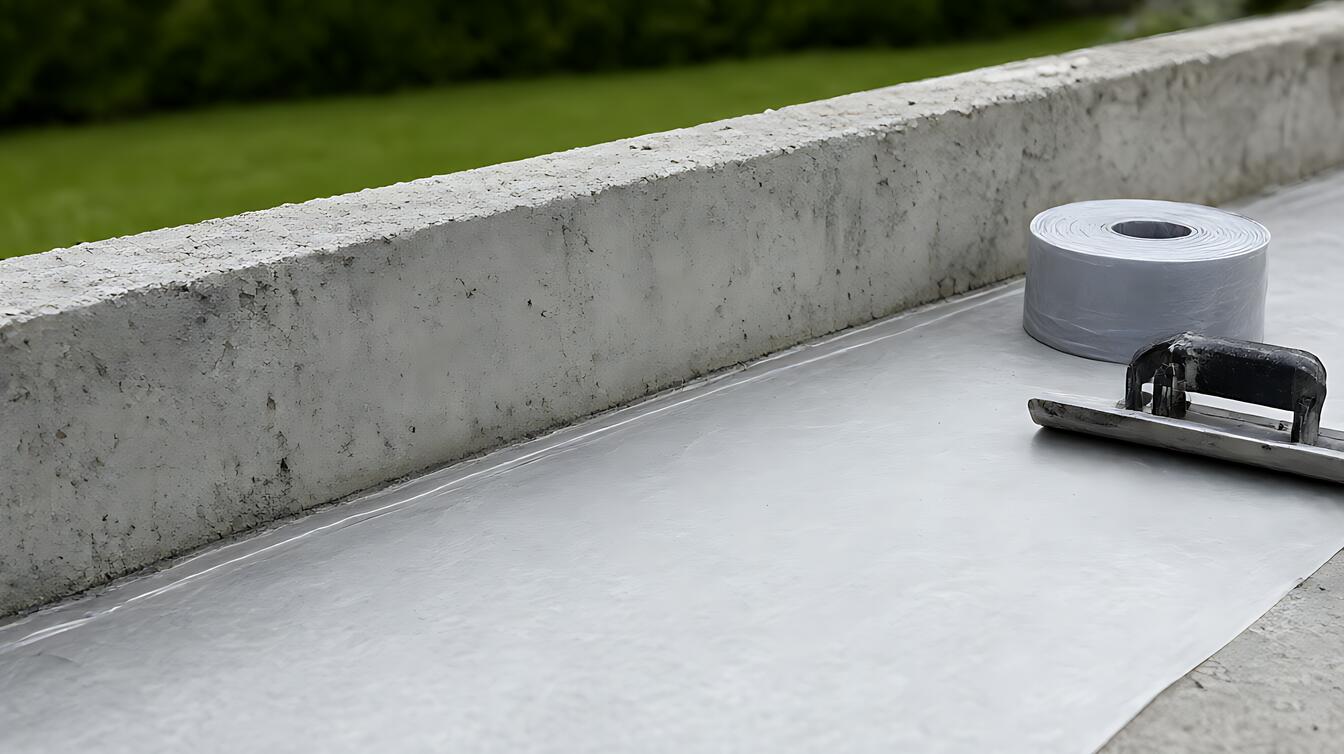
Concrete and masonry basins require attention at movement joints, wall – to – floor transitions, and around pipe penetrations. Rigid movement can exceed the accommodation of a brittle or poorly prepared membrane, so joints need a compatible detail rather than an unsupported membrane cut.
| Condition | Preferred approach | Main limitation |
|---|---|---|
| Straightforward basin with controlled access | Sheet membrane system | Seams and terminations demand careful workmanship |
| Complex transitions or detailed geometry | Compatible liquid – applied or coating system | Preparation, coverage, and curing conditions are critical |
| Repeated movement or settlement risk | Flexible system with engineered joint detailing | Movement cannot be solved by waterproofing alone |
For a broader material view, compare sheet, liquid, and cementitious waterproofing. Keep the comparison focused on the basin, because an outdoor planter and a tiled pool present different demands.
What Happens on the Job Site
A recognizable failure point is a damp patch beneath a pond wall where a pipe sleeve meets the basin. The visible symptom may appear far from the actual entry point, so inspecting only the stain often leads to the wrong repair.
Preparation sets the outcome. Remove loose material, repair sharp edges, close gaps, and make sure the substrate is clean and suitably conditioned before application. Every manufacturer – specific requirement still applies, including limits for moisture, temperature, and curing.
Then protect the membrane from damage caused by stones, soil, roots, or construction traffic. A sound sheet can still fail when something pierces it after installation. If the pond includes planting, heavy load, or sharp – edged stone, plan the protective layer before placing the finished material.
Drainage also matters around the basin, not merely inside it. A surface that drains toward the structure can keep moisture against waterproofing details. For the broader drainage 1 – 2% consideration, use the complete waterproofing systems guide to check how surrounding conditions affect the installation.
Limits, Edge Cases, and the Next Decision
Waterproofing cannot repair a structural crack, an unstable substrate, or a basin that continues moving. When the problem involves structural movement, plumbing, electrical work near water, or a leak whose source is unclear, consult a qualified professional rather than selecting another membrane by appearance alone.
Surface water inside the basin is different from water passing through the assembly. A membrane designed for immersion needs the exposure and chemistry expected in that application. Likewise, a wet area assembly may use a different waterproofing specification than a pond, even when both contain water.
Before choosing, identify five things: the basin substrate, whether the system will be immersed, the available access, movement exposure, and what will protect the waterproofing. If those conditions are still unknown, start with a site assessment rather than a material shortlist.
For suspected leakage, use waterproofing leak diagnosis to locate the failure path. If the membrane application stage is still ahead, review liquid membrane application for preparation and sequencing guidance.
Decision guidance: Choose a sheet membrane when access and protection are controlled. Choose a coating – based system when its manufacturer – approved details match the basin. Choose neither until structural instability, active leakage, or unclear water entry has been investigated.