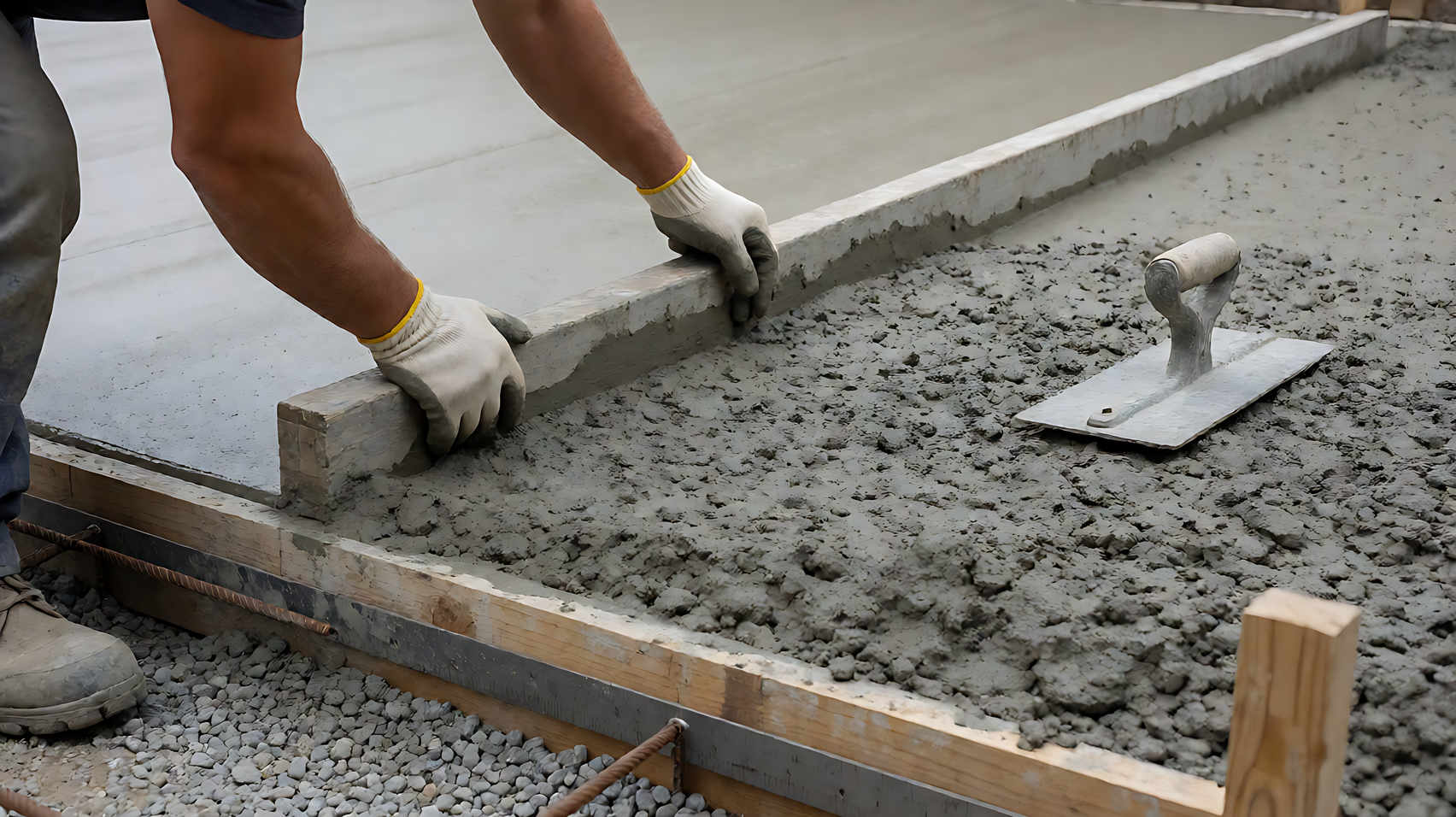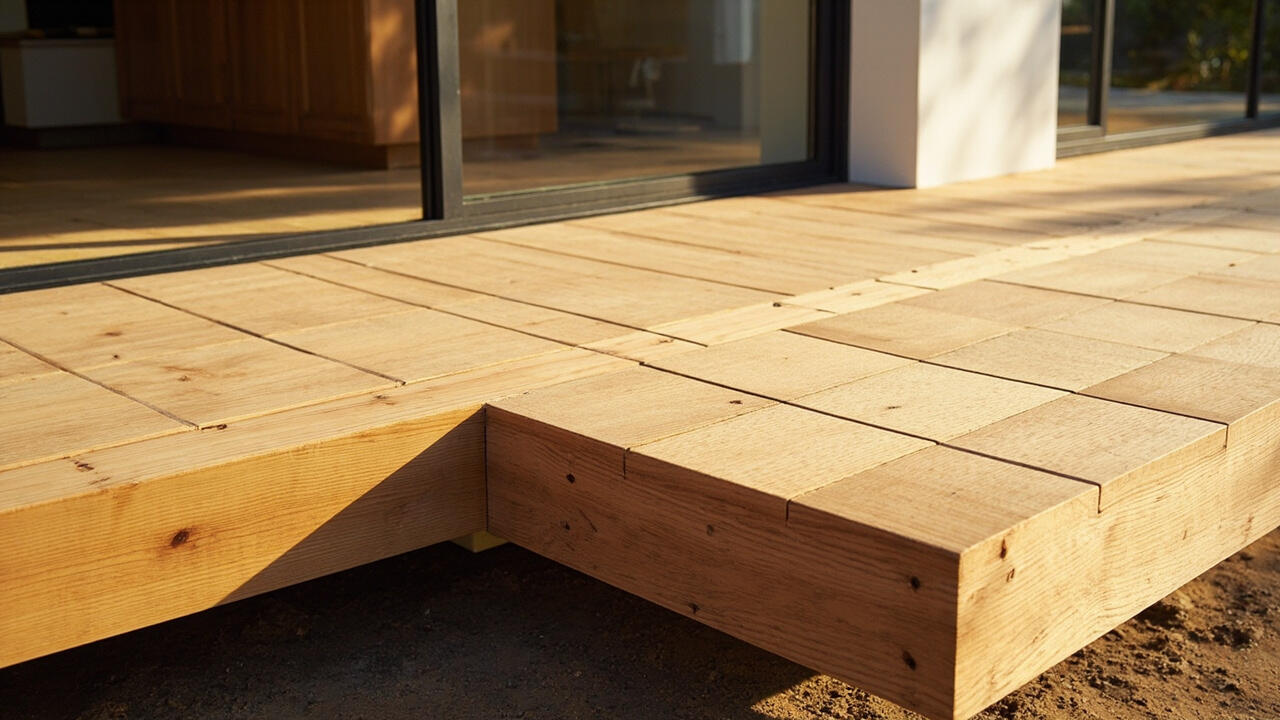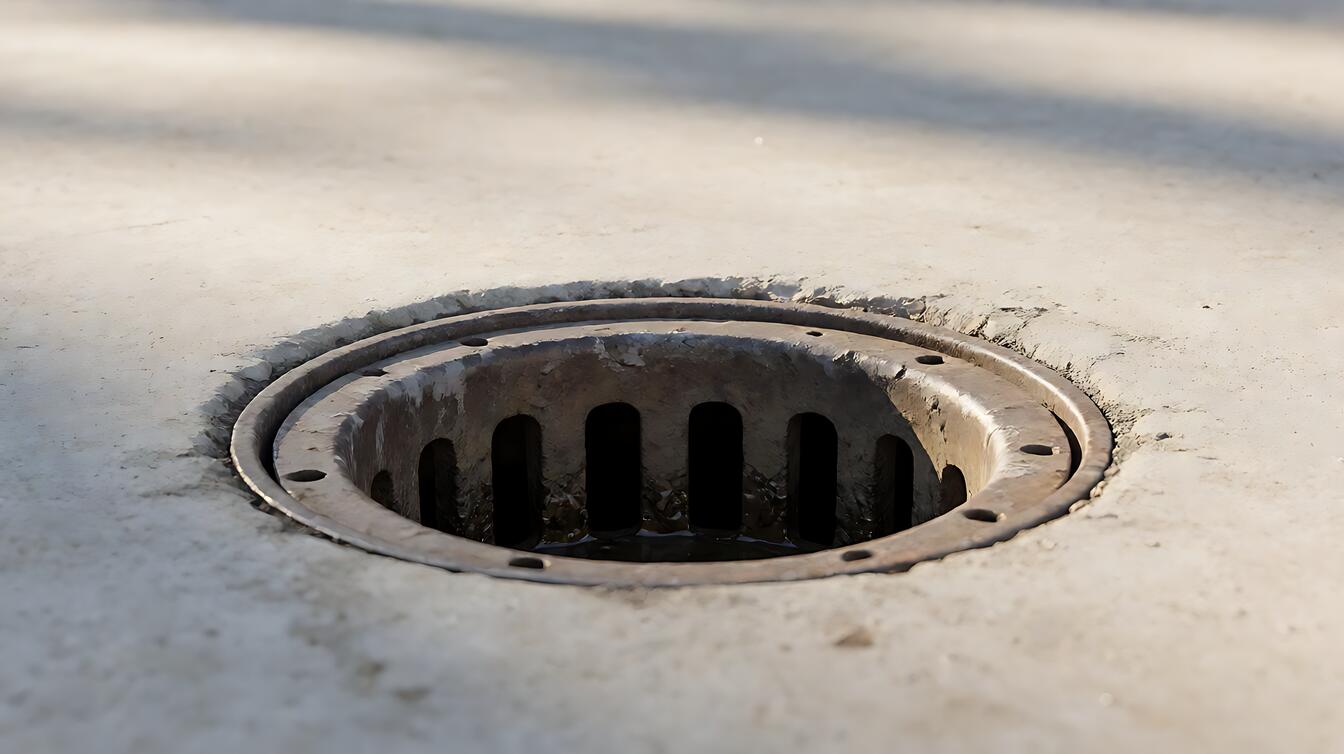

You hear “exterior wall drainage system” and picture another vague waterproofing promise. The practical question is simpler: how will water leave the wall, and where does it go? An exterior wall drainage system is the connected set of surfaces, channels, outlets, and collection paths that directs water away from a building’s exterior walls. Choose it based on site conditions, wall construction, and exposure, not on product labels alone.
What an Exterior Wall Drainage System Includes
An exterior wall drainage system moves water away from exterior wall systems through a deliberate path rather than letting it collect at the foundation. Its purpose is to support the building’s long-term structural integrity and waterproofing.
The decisive attribute is water routing. A system works when runoff has a continuous way to travel without soaking the wall assembly, the wall base, or nearby soil. Missing links matter more than adding another layer of protection.
The system may include drainage planes, outlets, channels, collectors, discharge points, and surface grading. Each part has a job, but the complete path determines whether the assembly performs as intended.
How an Exterior Wall Drainage System Works
Water management starts with gravity. In an exterior drainage assembly, the wall directs water toward a collection route, and the route carries it away from vulnerable construction. When that path is continuous, the wall has less opportunity to hold moisture against its surface.
The relationship is conditional: gravity-fed movement depends on an uninterrupted fall. A blocked outlet, reversed slope, or discharge point that returns water to the foundation interrupts the mechanism and shifts the problem rather than solving it.
Material variants affect handling, detailing, and durability, but they do not replace good slope and discharge design. Exterior drainage systems can be essential for maintaining structural integrity and waterproofing, which means installation quality matters as much as the chosen material.
When to Choose a Drainage Option
The best exterior wall drainage option depends on where water collects, how the wall is assembled, and how much installation space is available. Material choice comes after the site reveals the real drainage path.
| Site condition | Choose when | Watch for |
|---|---|---|
| Water collects near the wall base | The design provides a continuous gravity-fed route away from the foundation | Outlets block, reverse, or discharge too close to the building |
| Wall assembly exposes drainage | The drainage plane and collection details can be inspected or maintained | Hidden transitions trap water or cannot be reached for maintenance |
| Exposure is heavy | The selected material can tolerate the site’s wet, dry, and sun-exposed conditions | Durability claims ignore the actual exposure and detailing |
Choose a rainscreen-style drainage plane when the wall design needs a ventilated path for water to drain downward. Do not choose it as a substitute for sound grade, flashing, and discharge detailing.
What Happens at the Wall Base
At the wall base, small errors become expensive because several systems meet in one place. The drainage path must handle wall runoff, nearby soil, and water arriving from other surfaces without pushing moisture back toward the building.
For example, a damp patch beside a lower wall after heavy rain may indicate that discharge is too close, the grade slopes toward the building, or an outlet is obstructed. The symptom narrows the diagnosis, but confirming it requires inspecting the full route.
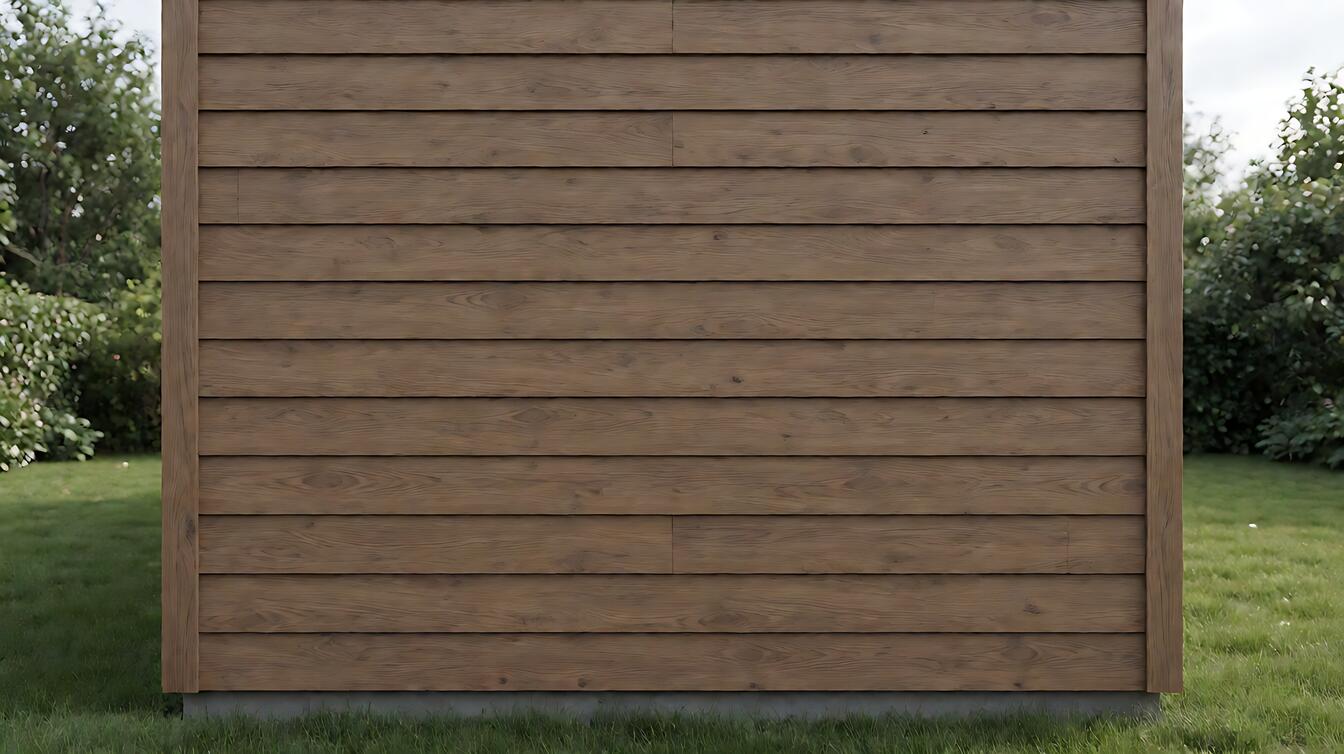
In practice, installation usually follows a sequence: establish the route, secure the wall-side collection components, connect the discharge, and then check the finished path. The order matters because a beautiful outlet cannot correct a wall that drains backward.
- Trace where water reaches the wall base and where it must discharge.
- Confirm the route remains continuous through every wall transition and penetration.
- Match material variants to the exposure, available space, and maintenance access.
- Test the completed slope and unobstructed outlet before concealing the assembly.
Check the result by following the intended water path with the plan in hand. When the route cannot be explained, it is not ready to be buried beneath finish work.
Durability, Limitations, and Next Steps
Durability is a system property, not a sticker on a membrane. It depends on the material, exposure, detailing, maintenance, and whether water can escape. A durable product still fails when its discharge path is blocked.
Sun exposure, wet conditions, and tight budgets can narrow the practical choice. Choose the system that solves the water route within the available footprint, then accept that complex foundation or structural conditions require professional evaluation.
Because drainage work touches grading, foundations, and sometimes structural or below-grade waterproofing, consult a qualified professional when the route is unclear or excavation is required. Compare membrane and coating roles in exterior waterproofing membrane vs coating before treating the wall face as the main drainage solution.
For a broader view of the assembly around the building, use the waterproofing systems overview. If water is entering below grade, distinguish foundation drainage from wall drainage with the guidance on basement waterproofing, interior and exterior.
Decision Guidance
Choose a gravity-fed drainage plane when the wall has a reliable vertical fall, visible collection route, and usable discharge point. Choose a more robust material variant when exposure is harsh and the detail can be maintained without trapping water.
Do not proceed when the wall base receives runoff from adjoining surfaces, the outlet points toward the foundation, or the design relies on sealant to bridge an open drainage path. Resolve the route first; waterproofing products work harder when water is not being asked to do two jobs.