
You hold three quotes that look identical on price but hide wildly different lifetime costs. The sticker price for installation is easy to read; the value of the roof over twenty years is not. A roofing system is a layered assembly of structural deck, protective underlayment, and outer material designed to shed water and protect the interior from weather.
Roofing Materials Defined and Failure Mechanisms
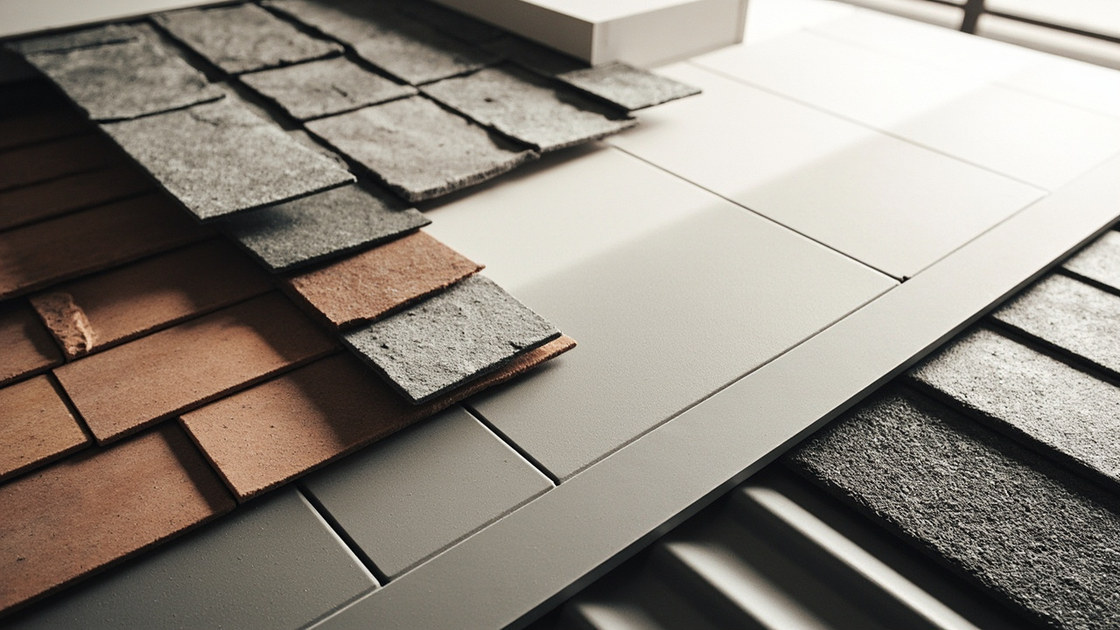
Asphalt shingles fail via granule loss and UV degradation, while metal roofs suffer from oil canning and galvanic corrosion. Clay and concrete tiles fracture under point impact, and natural slate weathers slowly but can delaminate. These failure modes determine maintenance needs more than initial cost.
Understanding durability requires looking at how the material interacts with its environment. Asphalt absorbs heat and expands, cracking at sealant edges. Metal expands linearly, requiring fastener systems that accommodate movement. Tiles are brittle, demanding rigid support to prevent cracking during settling.
If your goal is low maintenance, metal roofing often outperforms asphalt because it resists UV damage entirely. If you prioritize aesthetics, clay tile offers distinct texture but demands regular inspections for broken units. Match the failure mode to your climate and tolerance for repair.
Installed Cost Ranges Per Square Foot
Installed asphalt shingles typically range from $3.00 to $6.50 per square foot, depending on whether you choose 3-tab or architectural. Metal falls between $5.50 and $18.00 per square foot depending on the profile, with screw-down systems cheaper than standing seam. Clay and concrete tile land between $10.00 and $18.00, while natural slate runs $15.00 to $30.00 because slate is heavy, slow to cut, and demands skilled labor.
These cost ranges reflect national averages for average roof complexity. High-pitch roofs, steep accessibility issues, or extensive tear-offs will push prices toward the upper end. Luxury materials carry higher premiums for both product and skilled labor installation.
Budget for additional line items beyond the material square footage. Tear-off runs $1.50 to $3.50 per square foot for asphalt shingles including disposal, more for metal panels at $2.50 to $6.00, and highest for tile at $6.00 to $12.00 because broken units need careful handling. Dumpster rental alone adds $300 to $800. This teardown waste is separate from the new installation price in many quotes, inflating the total project cost significantly.
Factors That Shift Project Pricing
Roofer pricing shifts based on pitch complexity, existing deck condition, and required ventilation upgrades. Steep slopes (>6/12) increase labor time and safety requirements. If the roof deck is rotten where old shingles sit, you must replace the plywood or OSB, adding material and labor. Ventilation gaps often require new intake and exhaust systems to prevent moisture buildup.
Wind zones require specific fastening patterns. In high-wind areas, impact-resistant shingles or mechanical fasteners for metal add cost. Hail-prone regions may require Class 4 rated shingles, which cost 10% to 15% more than standard.
Always inspect the existing structure before quoting. If the sheathing is soft, the repair cost can double the project budget. Verify what is included under “deck inspection” in your contractor’s proposal.
Calculating True Cost Per Year of Ownership
The cheapest material becomes the most expensive option when its lifespan is short relative to a long ownership horizon. An asphalt roof costing $10,000 with a 15-year life needs three replacements and roughly $30,000 of roofing over 50 years. A metal roof costing $15,000 with a 40-year life needs one replacement and about $30,000 over the same span, so the two converge on lifespan alone. Push metal to a 50-year standing seam system and the higher upfront cost becomes the cheaper path, because only one roof is ever bought.
This lifetime cost calculation reveals the true value. Divide the total installed price by the expected service life to find the annual cost. For asphalt shingles, the annual cost is higher than for standing seam metal, which spreads its higher upfront price over decades.
If you plan to stay in the home for ten years, asphalt is the financially sound choice. If you plan to stay for twenty-five years, the higher upfront investment in metal roofing usually breaks even before the replacement cycle.
| Material | Installed Cost/Sq Ft | Expected Lifespan | Key Trade-off |
|---|---|---|---|
| Asphalt 3-Tab | $3.00 – $4.50 | 15 – 20 years | Cheap, short life |
| Architectural Asphalt | $4.00 – $6.50 | 25 – 30 years | Better appearance, mid price |
| Metal Standing Seam | $8.00 – $16.00 | 40 – 70 years | High upfront, long life |
| Clay or Concrete Tile | $10.00 – $18.00 | 50 – 100+ years | Heavy, requires structural check |
| Natural Slate | $15.00 – $30.00 | 60 – 125+ years | Very heavy, highest cost |
Decision Guidance and Professional Checks
Choose asphalt shingles if your ownership horizon is under fifteen years or your budget is tight. Choose metal or tile if you plan to keep the house long-term and want to delay the next replacement cycle. Always verify that heavy materials like slate or concrete tile are structurally supported by your existing joists.
Consult a structural engineer before installing heavy tiles on older homes. Ensure attic ventilation is adequate to prevent moisture damage to the roof deck; see our guide on insulation and vapor barriers for related moisture management strategies. For water management logic similar to roofing, review under-deck waterproofing membranes.
If you are unsure about material compatibility, ask your contractor for references on specific failure scenarios. A warranty covers material defects, not installation errors. Read the warranty fine print carefully before signing.