
Someone mentions a foundation drainage inspection, and the advice sounds like a list of alarms: wet basement, cracks, slope, French drain. The useful question is simpler: what gets checked, what does it prove, and what should you do next? A foundation drainage inspection is a visual and functional assessment of how water moves around a foundation and whether that movement could threaten the structure.
What a Foundation Drainage Inspection Actually Checks
A foundation drainage inspection evaluates the foundation perimeter, nearby grading, and surface water paths during or after suitable weather. It is not a waterproofing test and does not reveal every hidden defect, but it shows whether water is being directed away from the building.
The inspection starts with the whole site. An inspector learns where water naturally flows, then examines the foundation perimeter, surface drainage systems, and below-grade areas such as window wells. That wider context matters because an apparently sound drain can still fail when nearby soil or hardscape sends water toward the house.
Drainage defects appeared in approximately 35% of home inspections, making them common enough to justify a careful look without treating every wet patch as structural failure. For readers working through wall-drainage options, foundation drainage grading and French drains provides the next layer of system detail.
How Foundation Drainage Inspection Reveals a Grading Problem
Perimeter grading fails when the ground beside a foundation slopes toward the building or remains level enough to hold water. The grading checklist calls for a minimum slope of 6 inches over 10 feet, a measurable benchmark an inspector can compare with the site rather than rely on appearance.
Here is the mechanism: rising or falling water follows the available path. If the soil, paving, steps, or planters direct water toward the foundation, that water has more opportunity to enter through wall joints or collect near the footing. The consequence is not automatic damage, but a persistently unfavorable condition around the structure.
An inspection also considers how surface drainage crosses the property. A downspout discharge, sunken planting bed, or paved path can redirect water that began somewhere else. The useful finding is not merely that water is present, but where it comes from, where it goes, and what blocks its intended route.
That distinction matters when choosing a repair. Surface redirection may need grading changes, while a subsurface drainage problem may require a different approach. Compare the foundation system with the broader context in foundation types, including slab, crawl, and basement.
When to Choose Inspection, Repair, or Professional Evaluation
Choose a drainage inspection when the goal is to locate the water path before selecting a repair. It fits a dry or humid property with a damp wall, pooled water near the foundation, water staining near a window well, or an uncertain slope. The inspection gives you evidence and separates surface conditions from deeper foundation concerns.
Choose a surface drainage correction when inspection finds grade sloping toward the foundation or water discharged near the wall. Reshaping the perimeter, directing downspouts away, and correcting low spots may solve the mechanism at its source. This approach usually costs less than subsurface work, though the available grading area and buried utilities can limit it.
Choose a professional foundation evaluation when water is entering through cracks, the wall is bowing, doors are sticking, or the foundation shows movement symptoms. Drainage can contribute to water problems, but it cannot explain every crack by itself. Structural or waterproofing decisions need a qualified professional, especially when excavation, utilities, or waterproofing work is involved.
| Situation | Best next step | Why |
|---|---|---|
| Water collects where grade slopes toward the house | Correct the grade or surface drainage | The water path is visible and can often be redirected |
| Dampness appears below a window well | Inspect the well and its discharge route | Below-grade areas receive concentrated runoff |
| Cracks coincide with bowing or sticking doors | Consult a qualified professional | Possible movement needs more than a drainage diagnosis |
The trade-off is straightforward: inspection costs less than repair but cannot prescribe one blindly. Material variants affect installation and durability only after the water path is understood. A perimeter drain or drain tile may be appropriate where surface correction cannot control groundwater, but excavation brings more disruption and depends on soil, access, and drainage outlets.
What Happens During a Real Foundation Drainage Inspection
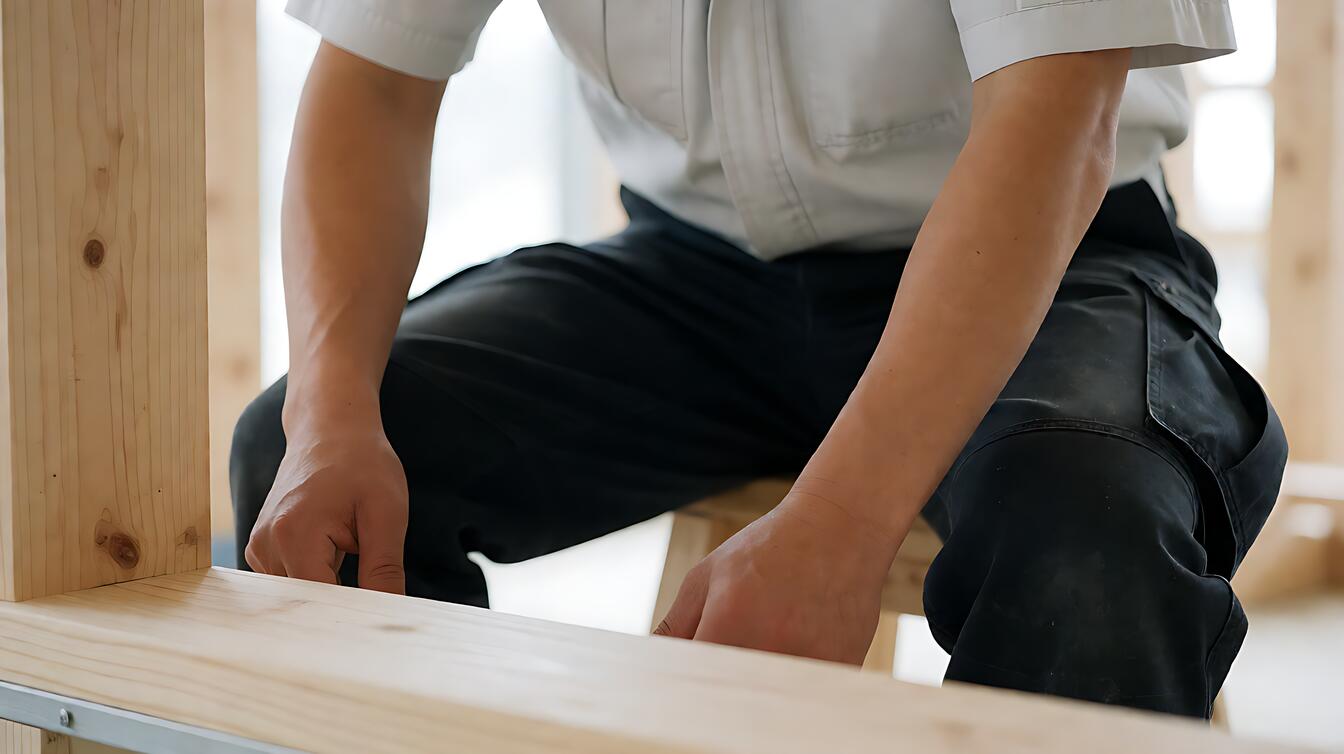
Imagine a home where one side stays damp after heavy rain while the yard slopes toward that wall. The first useful move is not ordering a drain tile. It is walking the property, tracing the water, and checking whether the ground, paving, downspouts, and window wells all point in the wrong direction.
The process splits into observation, measurement, and diagnosis. Together, these stages distinguish a simple grading problem from a symptom that needs deeper attention.
- Begin with a site overview, allowing 5 to 10 minutes to identify topography and natural drainage patterns.
- Examine foundation perimeter grading, allowing 15 to 20 minutes to check whether the ground directs water toward the structure.
- Trace surface drainage systems, allowing 10 to 15 minutes to follow runoff across the property and toward discharge points.
- Inspect window wells and below-grade areas, allowing 5 to 10 minutes to recognize concentrated runoff and local drainage traps.
- Document each finding with its location, apparent water path, and relationship to the foundation before selecting repairs.
The inspection should connect cause to consequence. A window well holding water may wet the wall below it, but it does not necessarily mean the foundation has failed. Conversely, a dry crawl space does not prove that perimeter grading is correct, especially during a dry season.
For material durability, ask how the proposed material handles the site conditions, installation quality, and exposure. A system that suits a shaded, wet location may not need the same considerations as one installed beside sun-exposed paving, where heat and runoff can change site conditions.
Limits, Costs, and the Next Best Action
A foundation drainage inspection has clear limits. It is a visual assessment, not a substitute for opening the wall, testing water pressure, or evaluating concealed structural movement. If the cause remains uncertain, the next test should target that uncertainty rather than leading straight to a broad repair.
The source material reports an average foundation repair cost of $4,500+. That figure makes early diagnosis sensible, but it is an average rather than a quote. Material choice, excavation depth, access, drainage connections, and the actual cause can move the final cost well above or below that figure.
Choose surface grading repair when inspection identifies a straightforward path toward the foundation. Choose a subsurface drainage solution when groundwater or persistent soil conditions defeat surface correction. Consult a qualified waterproofing professional when moisture enters through cracks or when waterproofing scope is unclear.
Cracks need careful classification before anyone combines drainage work with foundation crack injection and repair. If the drainage work is substantial, compare the foundation configuration through slab-on-grade versus raised foundation options before assuming a standard detail applies.
Decision Guidance
- Choose a drainage inspection first when the source of dampness or pooling is uncertain. It gives you a diagnosis before a repair commitment.
- Choose grading or surface drainage correction when water follows a visible path toward the foundation and adequate correction space exists.
- Choose a subsurface drainage or waterproofing consultation when surface conditions are already sound but moisture persists.
- Consult a qualified professional when cracks, bowing, sticking doors, deep excavation, utility conflicts, or unclear waterproofing conditions are present.
Begin with the perimeter, the slope, and the water’s route. Record what you observe, compare the site with the 6-inch minimum over 10 feet grading benchmark, and use that evidence to choose the next step. A sound decision here starts with identifying where water wants to go.